Water-saving steps at schools highlighted, as Water Plus shares efficiencies leading to carbon reductions
Schools are being encouraged to engage and educate pupils as part of reducing carbon emissions – and Water Plus is highlighting how this can be done, by sharing steps and savings on water use approaches at public sector buildings.
The awareness-raising activity, which includes sharing water saving steps with school pupils – is part of its Be Wise On Water actions – to help reduce running costs, reduce water waste and cut carbon and energy use.
From reusing rainwater to water school grounds and plants – to reducing any areas of water waste, like leaks – small steps with water can really add up to big results by helping reduce school running costs and reduce impacts on the environment too.
In fact, one school saw a 43% water saving, in the last year, from reducing flow rates for taps to an average of 3.8 litres per minute, compared to an average 6.7 litres per minute, from a small, low-cost efficiency device, installed through Water Plus.
Another school had an underground pipe leak, which saw hot water being lost – with the location of the leak and the repair completed through Water Plus’s services. 570 litres of water an hour was being lost, water meter data showed – That’s equal to 2,280 cups of tea (holding 250ml each). It could’ve cost an estimated £15,400, in a year, in wholesaler costs per cubic metre of water.*
And it’s an important time to look at water saving steps in the public sector, with wholesaler price increases for water from April 2025, that will be included in water bills.
Where less hot water’s needed, there is an energy saving too. Carbon emissions are also reduced where less water and less hot water is used at a building, helping with decarbonisation targets in the public sector.
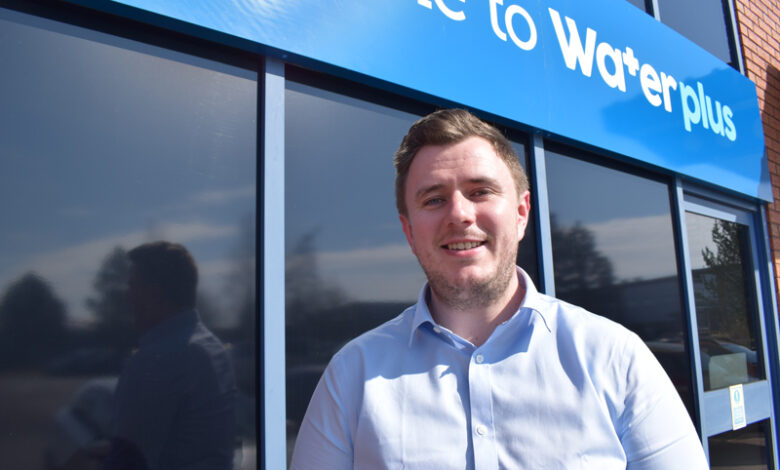
Carl Lane, an Account Manager with Water Plus that works with academy trusts, schools and other public sector organisations, said: “We’re all about helping schools and our other customers find ways to use water more efficiently – and our #BeWiseOnWater awareness activity is all about how we can all make the water used go further and reduce water waste, which also helps reduce impacts on the environment.
“Small steps can really add up to great results for schools and lower utility bill costs, even saving energy when less hot water is used through more water efficiency. Schools will be in a much better place from carrying out some small water checks, during the year – and it supports decarbonising goals.”
More ways to save water, energy and cut carbon emissions are available on the Water Plus website at: www.water-plus.co.uk/better-ways-with-water .
To request water-saving services, including water audits to find water efficiency opportunities, leak repair and detection services and additional water tracking technology, contact: advancedservices@water-plus.co.uk .
Partner with Water Plus for water retail services: hello@water-plus.co.uk.
Decarbonisation at school can be as easy as 1, 2, 3:
1. Know what water’s used – where – to tap into opportunities
Being more aware of water that’s used helps organisations reduce water waste and risks to supply interruptions on site water pipes. This webinar, with the Public Sector Sustainability Association (PSSA), covers some of the steps – and other savings and benefits seen, through looking closer at – and managing – water more effectively.
Noting down meter readings regularly – ideally every month – if the meter is safe to access, and providing these online, is worth doing to track use and spot any unexpected changes. There is also technology that can help track use and update bills, reducing estimates on use.
It’s worth providing a read, if the meter is safe to access, ahead of 31st March 2025 – and wholesaler price increases that will be included in water bills from 1st April, 2025 – so bills reflect what you’re using.
A school in Suffolk is introducing two 227-litre water butts for watering its grounds and involving pupils with this, and other schools have fitted tap aerators to reduce water use in the last year, including hot water, helping lower energy and running costs. So, there are a number of low-cost steps that add up to big savings.
A school was also in touch with the Water Plus Advanced Services team about a leak, after seeing their water bill increase as more water use was seen through the water meter, in January 2024.
2. Engage extra eyes, to hear water-saving ideas and issues
Eco Champions amongst pupils can be a great way to hear more ideas from pupils on how to save water and help the environment.
Water-saving Challenges for pupils have also been shared, by Water Plus, with a range of schools in England and Scotland, to help schools, along with engaging children more with water and the environment.
Water leaks at school buildings could cause a supply interruption, so being on the lookout for water issues is wise, whatever the time of year it is.
3. Regular checks and maintenance can reduce water risks
Regular servicing and maintenance of taps, toilets and urinals – as well as any water efficiency devices in buildings – is important – so it’s known they’re working properly and no water’s being wasted.
Cold weather and changing temperatures can make a burst pipe more likely at sites, so tracking water use helps reduce risks and keeps your public sector building functioning and providing services. Changes in temperatures can cause ground movements that can affect underground pipes at sites – and even a small trickle, or drips on a tap, can cause a pipe to freeze.
*Water loss cause located – and underground water pipe replaced – in November 2024.